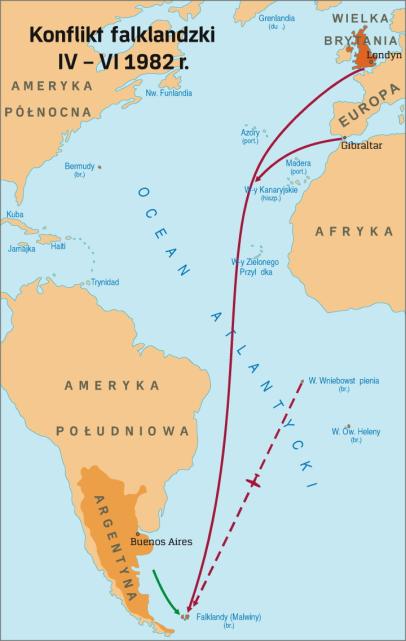
The Falkland Islands lie in the South Atlantic, 300 miles east of Argentina. They are made up of two principal islands – West Falkland and East Falkland – and over 700 smaller islets. They have a combined land mass around half the size of Wales. In 1982, 1,800 people lived there. These days, around 50,000 tourists visit each year, mainly to see the penguin colonies.
Over the centuries, the Falkland Islands have been home to English, French, Spanish, and Argentine settlements, and continuously British since 1833. Argentina calls the islands “Las Malvinas”, and has long disputed Britain’s sovereignty, claiming that Argentina inherited the islands from Spain.
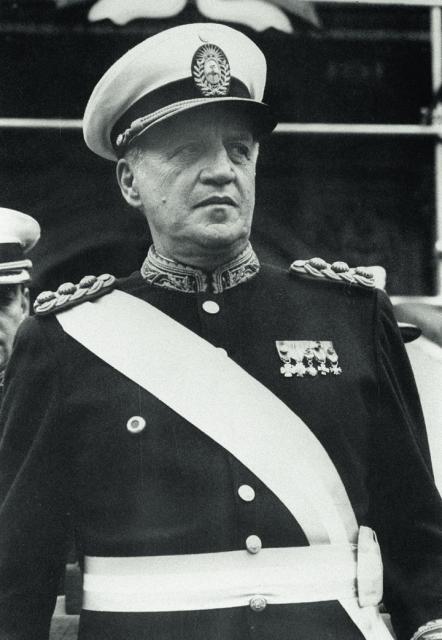
From late 1981, Argentina was ruled by a military junta led by General Leopoldo Galtieri. Early the following year, Argentina announced during talks with Britain over the Falklands that, if progress was not made, it would find other, speedier means of solving the dispute.
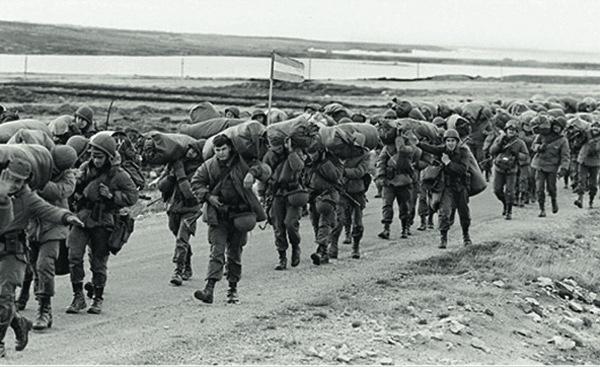
Żołnierze argentyńscy lądują na Falklandach 2 kwietnia 1982 r.
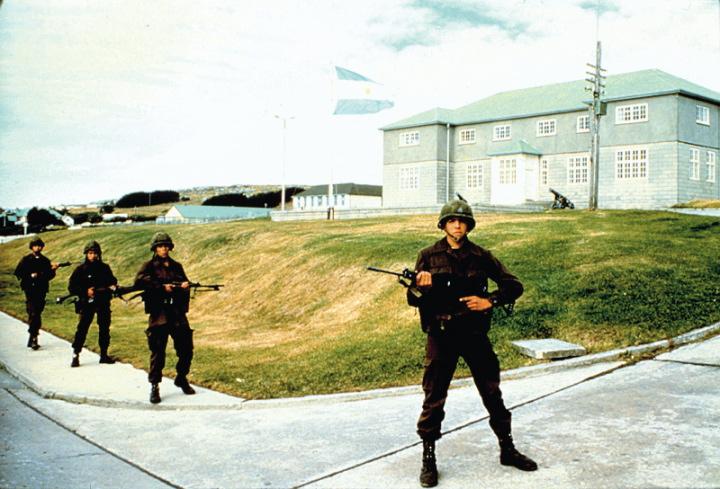
Argentyńscy żołnierze piechoty morskiej przed domem gubernatora w Port Stanley
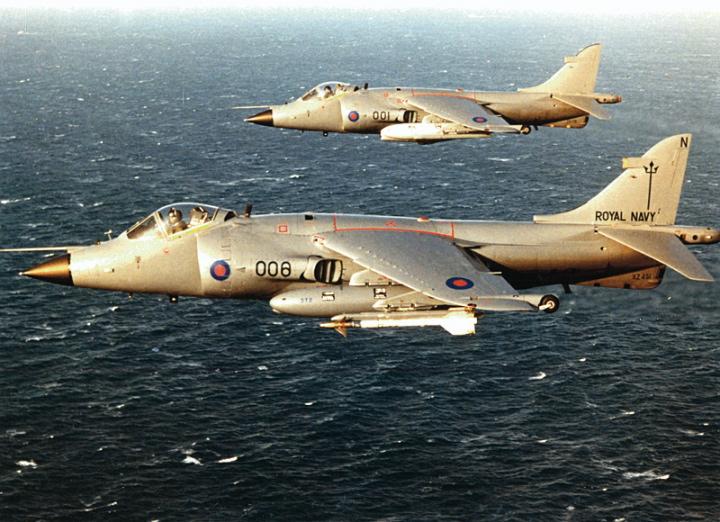
Sea harriery w locie bojowym na Falklandach
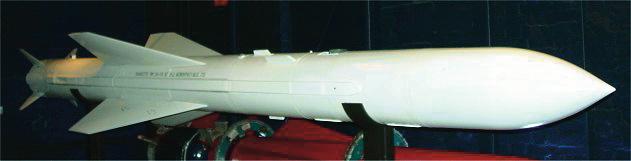
Francuska rakieta Exocet
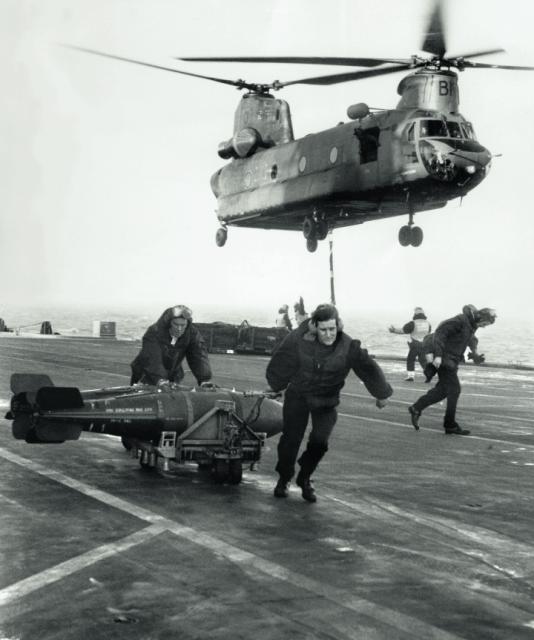
Śmigłowiec transportowy CH-47 Chinook dostarcza zaopatrzenie dla wojsk brytyjskich na Falklandach
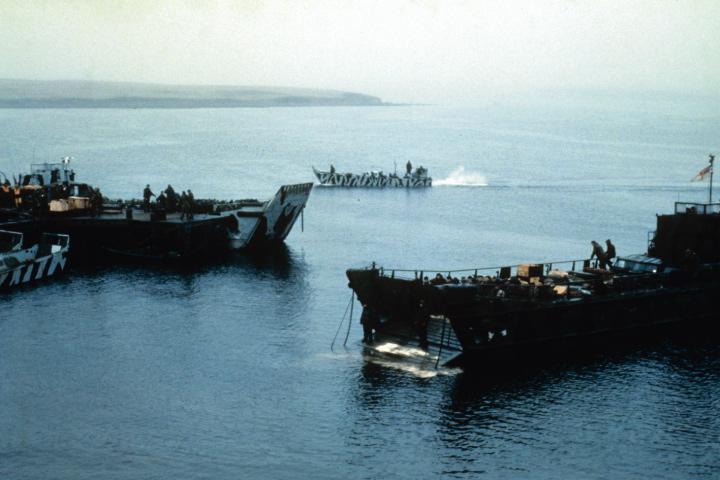
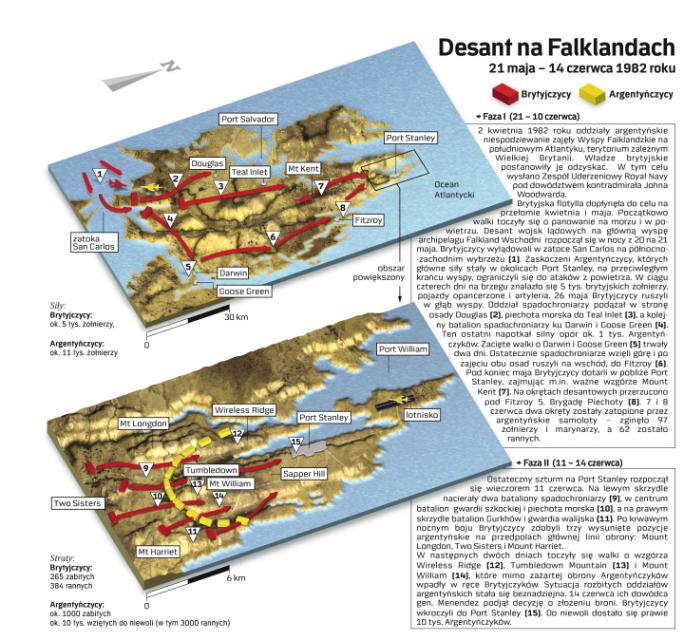
Brytyjskie okręty desantowe podczas lądowania pod San Carlos
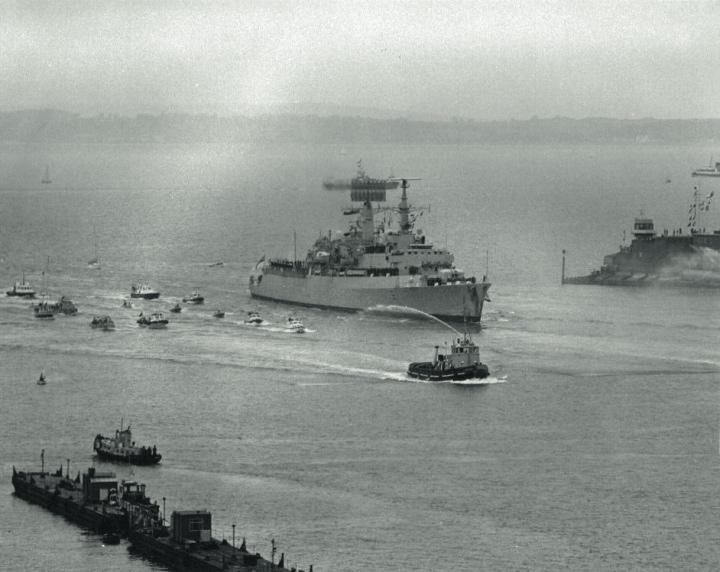
Okręty brytyjskie opuszczają port w Portsmouth
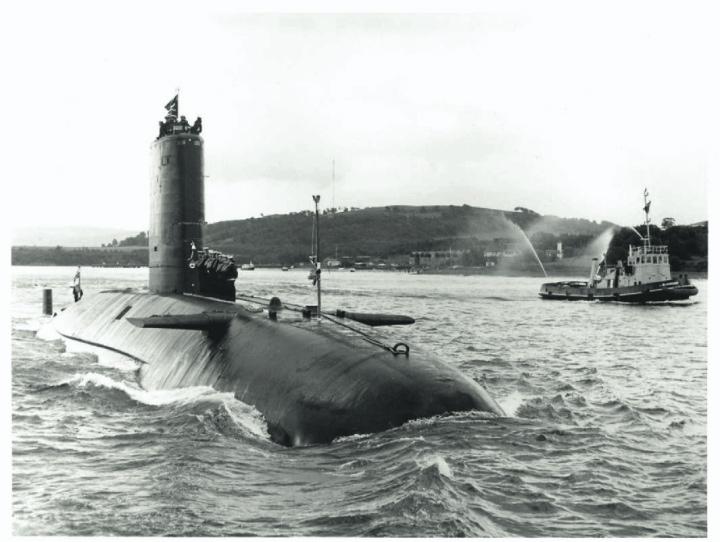
Brytyjski okręt podwodny HMS Conqueror
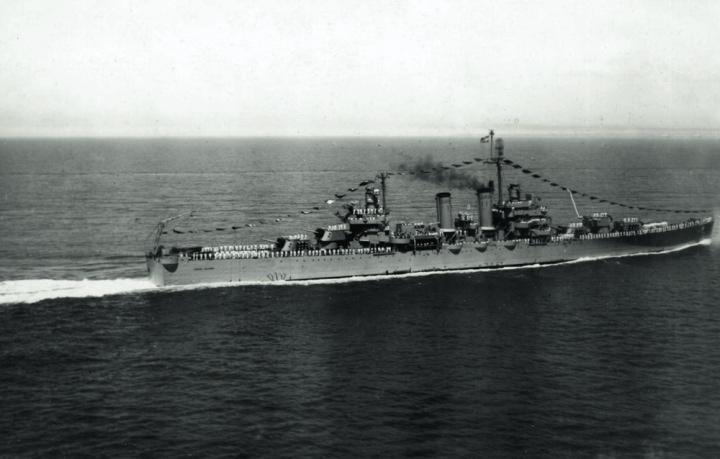
Argentyński krążownik „General Belgrano”
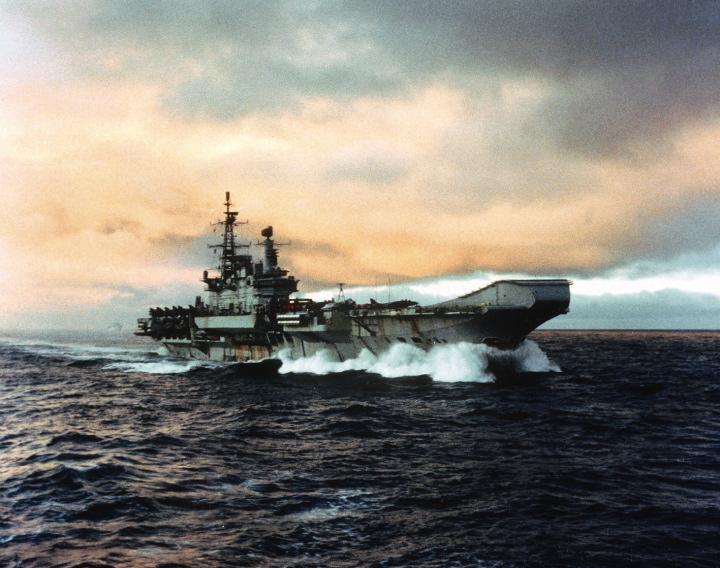
Lotniskowiec HMS „Hermes”
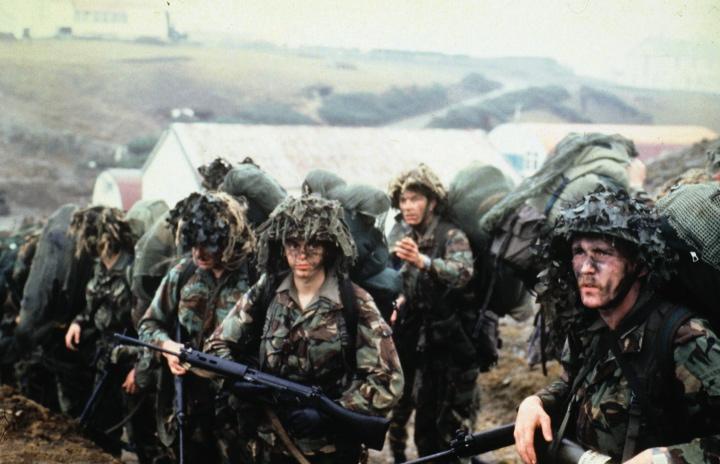
Żołnierze brytyjskiej piechoty morskiej lądujący na Falkandach
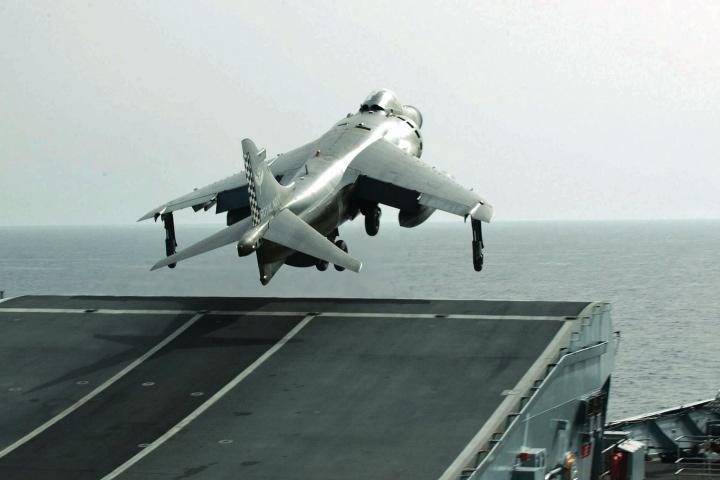
Start samolotu Sea Harrier z lotniskowca
Fregata HMS „Antelope” tonie pod San Carlos, 23 maja 1982 r.
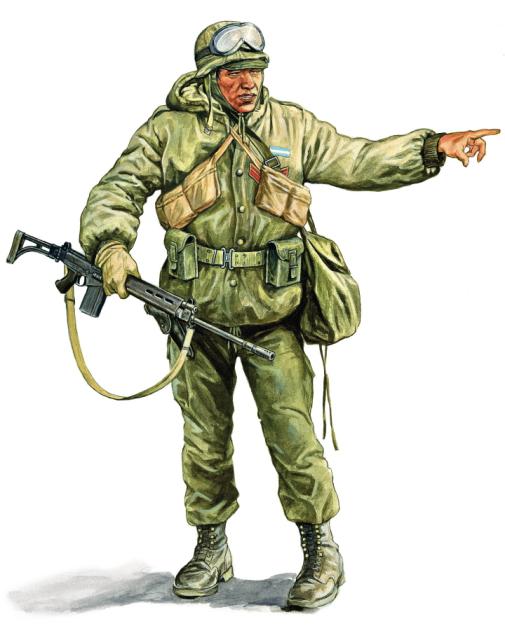
Starszy sierżant argentyńskiej piechoty morskiej w hełmie amerykańskim, w ocieplanej parce, uzbrojony w belgijski karabin szturmowy FAL PARA i pistolet Browning
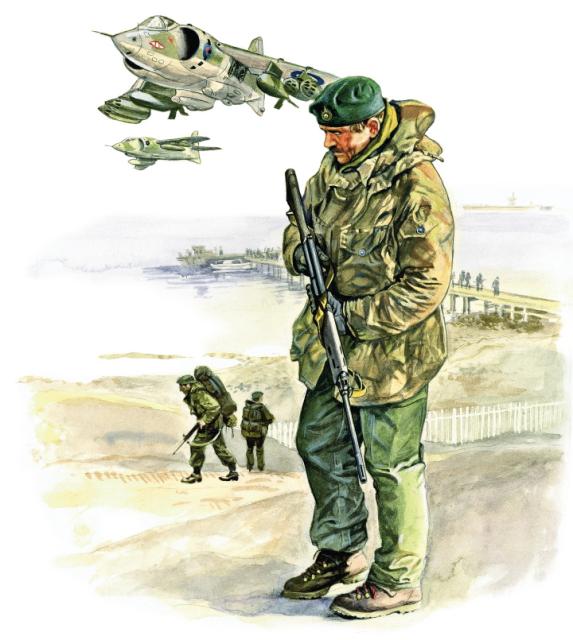
Brytyjski marine w kamuflażowej parce uzbrojony w karabin FAL L4A2. W powietrzu myśliwce Sea Harrier
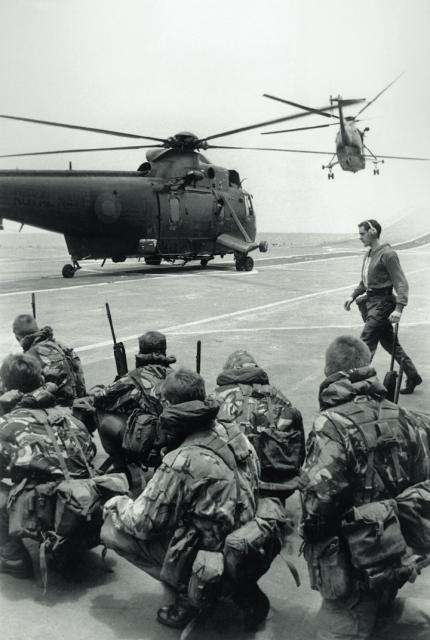
Oddział brytyjskiej piechoty morskiej na pokładzie lotniskowca HMS „Hermes” przed desantem na Falklandach
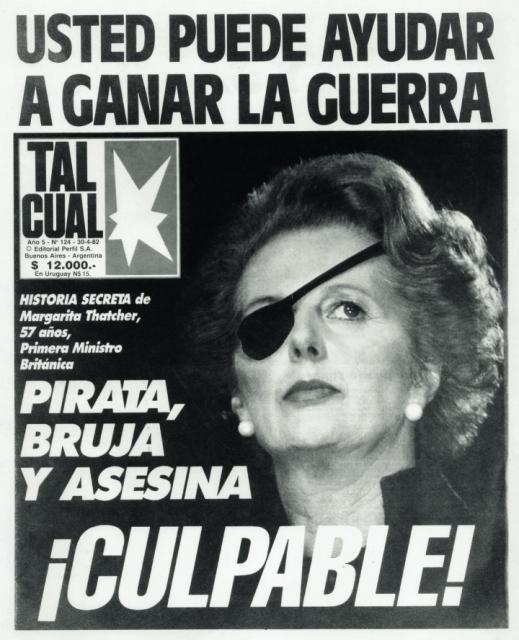
Argentyńska propaganda nie przebierała w środkach, nazywając premier Margaret Thatcher piratką, wiedźmą, i morderczynią
Leopoldo Fortunato Galtieri (1926 – 2003)
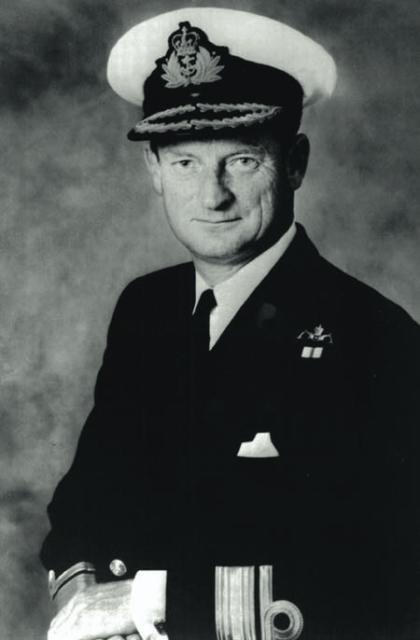
John Forster „Sandy” Woodward (1932)
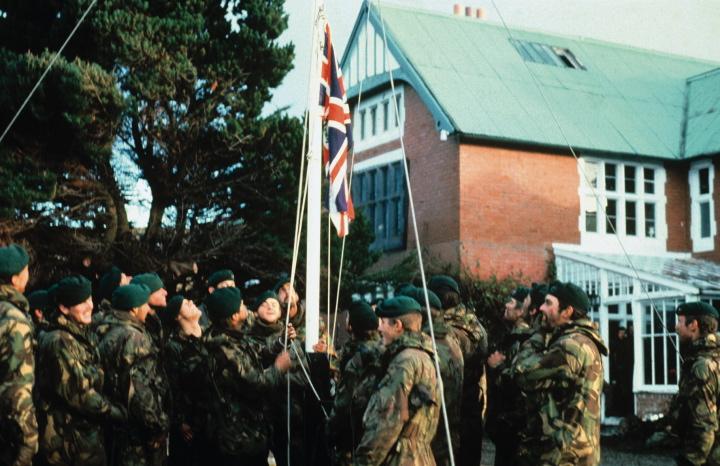
Brytyjscy marines wieszają flagę przed domem gubernatora w Port Stanley 15 czerwca 1982 r.
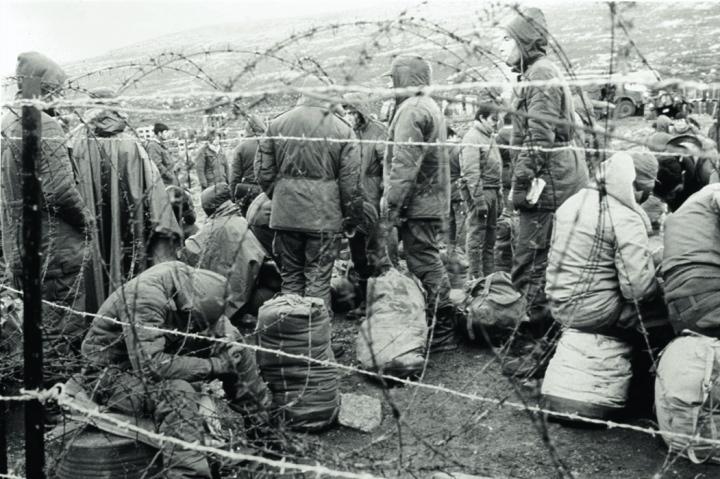
Jeńcy argentyńscy w prowizorycznym obozie pod Port Stanley
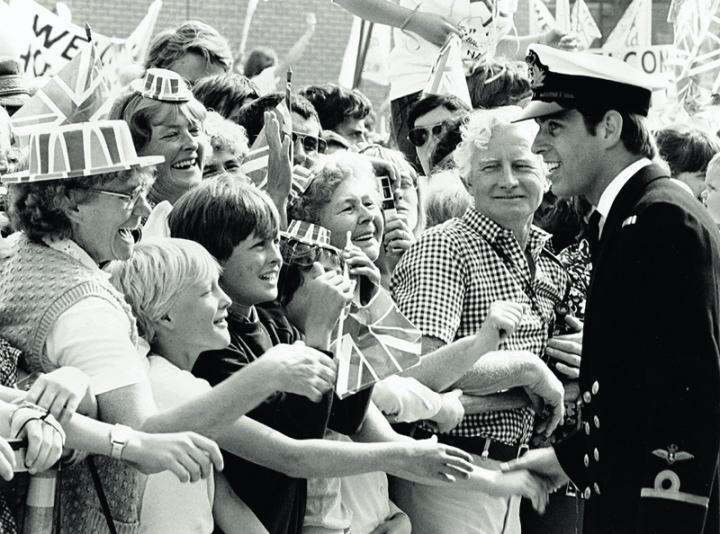
Książę Andrew, pilot śmigłowca na HMS „Hermes”, podczas uroczystego powitania floty brytyjskiej powracającej z Falklandów
An extract from Essential Histories 15: The Falklands War 1982Race to the islands: Argentina and Britain deploy their forces
Britain’s official position in April 1982 was that she preferred to resolve the crisis through diplomatic negotiation, and would only employ the task force if peaceful means failed. In fact, it was the exigencies of military operations that set the timetable, not the requirements of the diplomats. This is not to say there were not elements within Britain who were working desperately for a peaceful outcome. The new Foreign Secretary, Francis Pym, laboured earnestly for a compromise, though it was rumoured within some sections of the Conservative Party that his real purpose was to inflict political damage on his arch rival, the Prime Minister. Al Haig, the US Secretary of State, an old friend of Pym’s, conducted a frenetic ‘shuttle diplomacy’, which attempted to address both Argentine and British requirements, and in the end satisfied neither. Mrs Thatcher was much more in tune with the mood of the British people than was Francis Pym and other Conservative grandees. She sensed that they were not much interested in a peaceful compromise and nor was she. Nothing less than an Argentine departure from the islands with British sovereignty fully restored would do, and this was a price she strongly suspected the Junta could not afford to pay.