Napoleon launches assault on Smolensk (17 August)
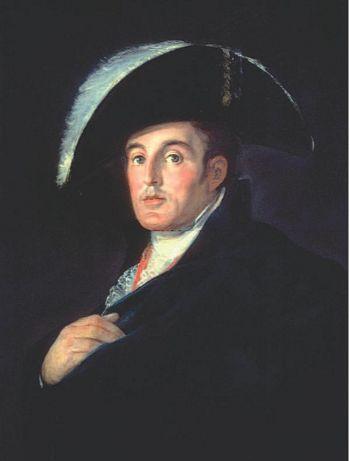
Fresh from their decisive victory at Salamanca on 22 July, Wellington and his army made a triumphal entry to Madrid. One of his soldiers recalled 'deffening shouts of; "Vivi les Angoles, Vivi les Ilandos"'. 'The inhabitants testified their Joy,' wrote Captain Bragge. However, Private William Wheeler of the 51st complained, 'But amidst all this pleasure and happiness we were obliged to submit to a custom so unenglish that I cannot but feel disgust while I am writing. It was to be kissed by the men. What made it still worse, their breath was so highly seasoned with garlick, then their huge mustaches well stiffened with sweat, dust and snuff, it was like having a hair broom pushed into ones face that had been daubed in a dirty gutter.' Wellington was admitted to the Order of the Golden Fleece, given a large estate near Granada and appointed Generalissimo. He was surrounded by women wherever he went, causing an ensign in the Coldstreams to remark: 'Lady Wellington would be jealous if she were to hear of his proceedings. I never saw him in his carriage without two or three ladies.' After this high point came the failure to capture Burgos and a tough tactical withdrawal in terrible weather to Portugal, leaving the French once again in command of Spain. However, Wellington's successes of 1812 and the drain on French resources caused by Napoleon's activities to the east enabled him to go onto the offensive the following summer with excellent prospects of final victory.
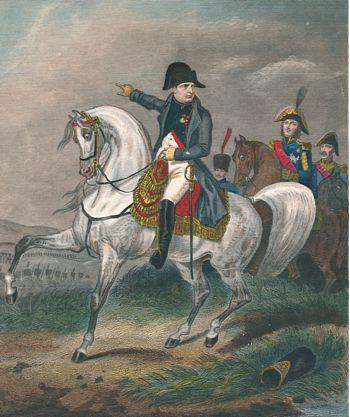
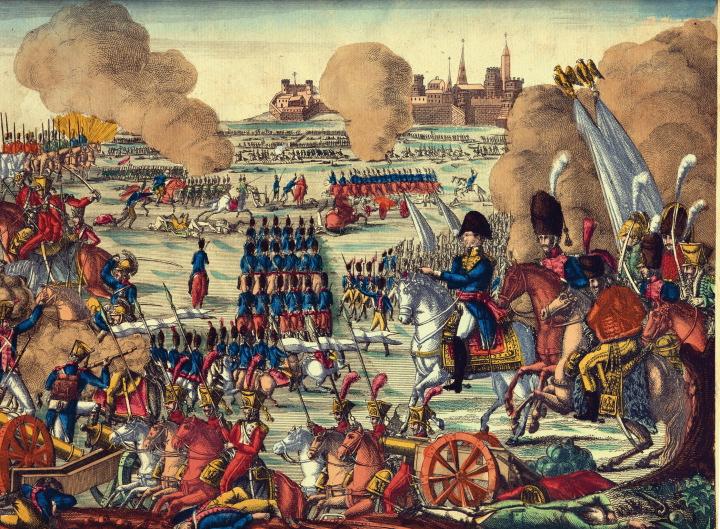
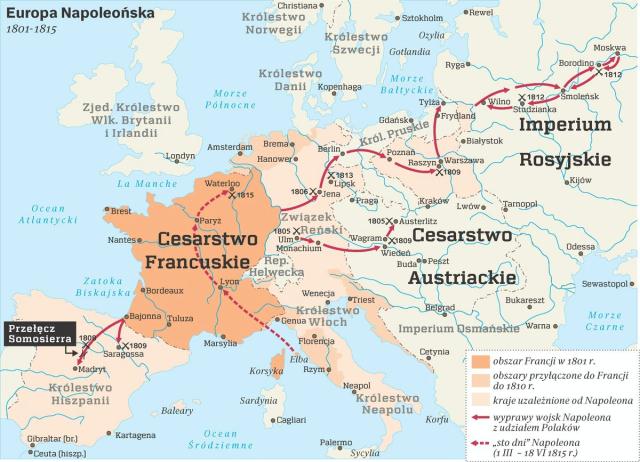
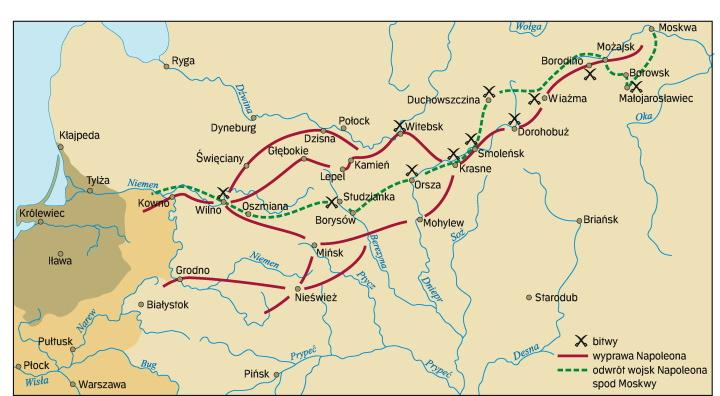
On the same day Napoleon was closing in on the city of Smolensk and on 17 August, he launched his assault on Smolensk just after midday. By 4.30pm, at the end of the afternoon's fighting, Marshall Ney had cleared the southern part of the city and was on the Dnieper. The Russians withdrew the next day but left a key ford unprotected, allowing Ney to cross and immediately harass them. On 19 August Ney engaged the Russian rearguard at Valutino. This turned into a major battle, which could have been decisive, if Junot and Murat had appreciated the opportunity to outflank Barclay, taken the initiative and fully committed their Corps. As it was, the Russians extracted themselves and fell back further east with some protection from the weather. They were to stand and fight next at Borodino on 7 September and on 14 September Napoleon had won his empty and fatal trophy, Moscow.
On the same day Napoleon was closing in on the city of Smolensk and on 17 August, he launched his assault on Smolensk just after midday. By 4.30pm, at the end of the afternoon's fighting, Marshall Ney had cleared the southern part of the city and was on the Dnieper. The Russians withdrew the next day but left a key ford unprotected, allowing Ney to cross and immediately harass them. On 19 August Ney engaged the Russian rearguard at Valutino. This turned into a major battle, which could have been decisive, if Junot and Murat had appreciated the opportunity to outflank Barclay, taken the initiative and fully committed their Corps. As it was, the Russians extracted themselves and fell back further east with some protection from the weather. They were to stand and fight next at Borodino on 7 September and on 14 September Napoleon had won his empty and fatal trophy, Moscow.