Showing posts with label Америка. Show all posts

Monday, 8 October 2018

This Week in History - the US forces crossed the 38th parallel 7 October 1950

https://ospreypublishing.com/thisweekhistory/

The Korean War (28 September-9 October)


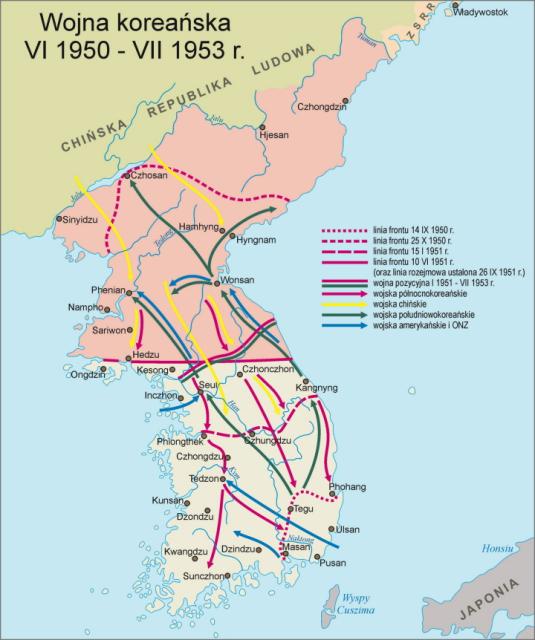
Having forced the North Korean forces out of Seoul, the capital of South Korea, by 27 September, the US Army then pursued the North Korean Army north. On 7 October following a UN resolution, the US forces crossed the 38th parallel, the line dividing North and South Korea. In response to the actions of the US and UN, the Chinese, backed by the Soviet Union, entered the Korean War in force on 25 November 1950. MacArthur's aim of total victory was no longer an option after this date. Instead, a bitter war of attrition, on land, sea and in the air, and costing many lives, continued until the ceasefire agreement in 1953. 
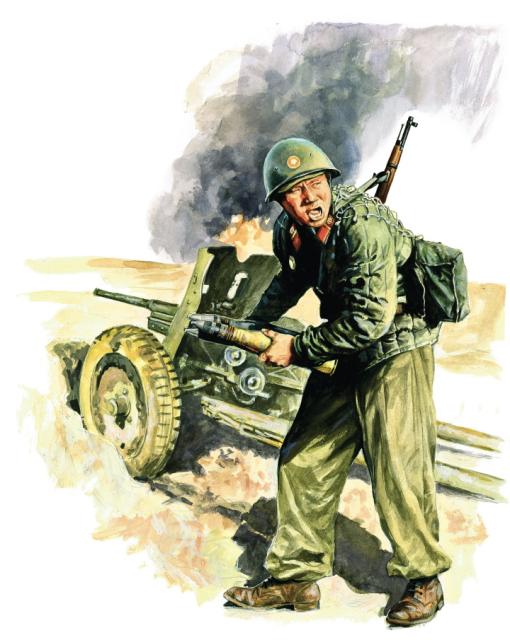
Żołnierz Koreańskiej Armii Ludowo-Wyzwoleńczej w hełmie radzieckim uzbrojony w karabin Mosin-Nagant wz. 1944 produkcji chińskiej. W tle radzieckie działko ppanc. 45 mm

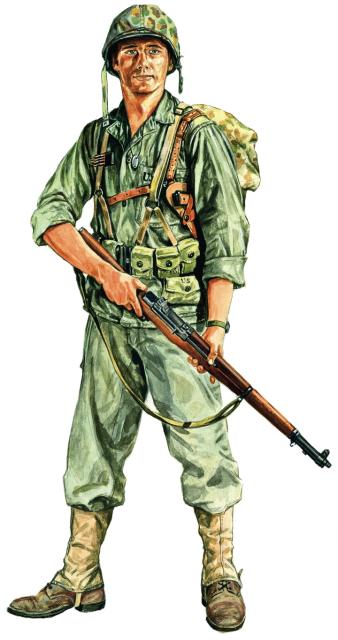
Amerykański żołnierz 1. Dywizji Piechoty Morskiej w hełmie stalowym i mundurze polowym marines. Uzbrojony w karabin M-1 Garand i pistolet M 1911 A1

Wednesday, 29 August 2018

This Week in History - Second Manassas (25-31 August 1862)

https://ospreypublishing.com/thisweekhistory/

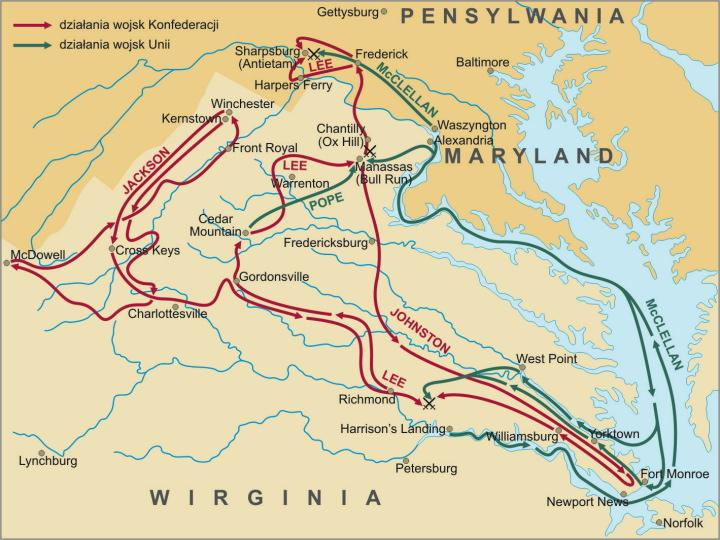
Since 'Jeb' Stuart's raid behind the Union lines on 22-3 August there had been skirmishes and manoeuvring along the Rappahannock and, in the early hours of 25 August, Robert E Lee had launched 'Stonewall' Jackson on a bold, 56-mile flanking march. By midnight on August 26 Stuart had captured Manassas Junction and by morning most of the rest of Jackson's force were feasting on the massive Union supply depot there and destroying what they couldn't carry away. Jackson then withdrew to what he himself described as a 'commanding position' by the village of Groveton, waiting for Lee and James Longstreet to link up with him, having followed the route he had taken. He was also ready for the full Union response to his presence in what had been their rear. The expected clash took place on August 28, a fierce prelude to the main battle, in which the Stonewall Brigade reinforced their reputation and the Iron Brigade first established theirs.

On August 29 Jackson's corps was positioned in a strong defensive line along the workings of an unfinished railroad. Fierce attacks were met with equally fierce defence and the Confederates were pushed back but not broken. In one of the several spectacular misjudgements that lost him this campaign and his command, the Union General John Pope wrote a despatch early the next morning claiming victory in a 'terrific battle … which lasted with continuous fury from daylight until dark, by which time the enemy was driven from the field, which we now occupy.' In fact, with Lee and Longstreet now on the scene and placing a fresh corps most threateningly on his left flank, it was Pope who was to be driven from the field on 30 August.

The first day's fighting had been inconclusive although Pope thought he had the Confederates beaten. However, Lee had brilliantly executed his strategy of forcing a confrontation at a place of his choosing with the Army of Virginia, before it could be reinforced and lengthen the odds against him to two-to-one. He had also fulfilled his purpose of drawing the war away from the Confederate capital and positioning himself to take it into Union territory. 

On the morning of the second day Lee had set a trap and the confident Pope blundered straight into it. Lee's line was now in the shape of a V, Jackson's corps along the unfinished railroad as before and Longstreet's corps angled off to its right. The final stage
 of the battle is described in the extract below.

Wednesday, 1 August 2018

This Week in History - Iraq invades Kuwait (2 August 1991)

https://ospreypublishing.com/thisweekhistory/

An extract from Essential Histories 55: The Gulf War 1991

Saddam invades Kuwait


Saddam Husajn fot. z 1990 r.

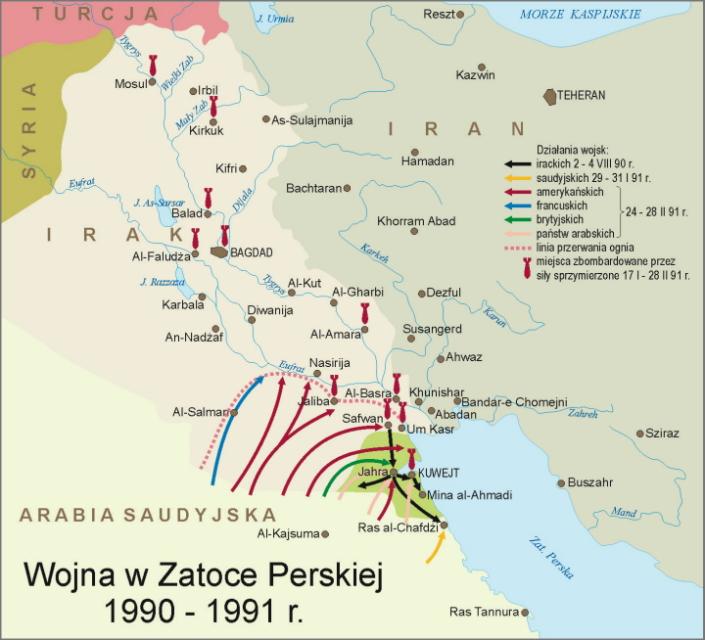
By spring 1990, Saddam Hussein was desperately seeking a financial solution to his rapidly downward-spiralling economic and political situation. In February of that year at the Arab Co-operation Council in Jordan, the Iraqi leader put forward the idea of a suspension of his country’s wartime debts and the urgent need for extra funding, but his pleas fell on deaf ears among his Arab neighbours. Furthermore, his continual requests for oil quotas to be adhered to in order to halt the slide in the price of oil were also ignored. In fact, the attitude of both Kuwait and the UAE to his calls for a cancellation of wartime debts and more credit were decidedly unhelpful: no debt would be absolved and the only money that Iraq would receive from them would be in the form of charity. This blunt rebuff of Saddam Hussein generated a very dangerous condition for an Arab leader (often underestimated by western politicians) – that of a humiliating loss of face. The collapse of Saddam’s dignity combined with the perilous state of the Iraqi economy brought about a sharp contrast in policy by the summer of 1990.

At the height of July, Iraq adopted a dual-track policy of intense diplomacy allied with military manoeuvres near the border with Kuwait. The diplomatic line consisted of a series of accusations of Kuwait: firstly, that it had stolen oil from Iraq’s Rumaila oilfield (near the Iraq–Kuwait border), estimated to be over $2 billion in value, which should be immediately repaid; secondly, that its loans to Iraq in the 1980s were largely from oil profits due to overproduction (exceeding OPEC quotas), which was harming its neighbour; and thirdly, that Kuwait had a long-held secret agenda to acquire Iraqi territory while Iraq was distracted by the fight against Islamic fundamentalism. The proposed Iraqi solution to these crimes encompassed a huge cash rebate, a price hike in oil prices to at least $25 a barrel, the complete suspension of war debts and a comprehensive financial package to aid the economic reconstruction of Iraq. To support his diplomacy, Saddam concurrently started moving large numbers of the élite Republican Guard towards the border with Kuwait; with just under 40,000 troops in position by the 19 July.

Tuesday, 24 July 2018

Adrian Cronauer, DJ who inspired the film 'Good Morning, Vietnam' – obituary

https://www.telegraph.co.uk/obituaries/2018/07/23/adrian-cronauer-dj-inspired-film-good-morning-vietnam-obituary/

Adrian Cronauer

Adrian Cronauer , who has died aged 79, was a US Armed Forces Radio disc jockey whose stint in Vietnam inspired Barry Levinson’s film Good Morning, Vietnam (1987) a biting satire of the US military effort, starring Robin Williams in best manic, over-the-top form.
Cronauer hosted a four-hour daily radio show, Dawn Buster, during his tour of duty in Vietnam in 1965-66, and like his Hollywood alter-ego signed on each morning with a booming “Gooooood Mooorning, Vietnam.”

Monday, 23 July 2018

This Week in History - Louisbourg Siege (24-30 July)

https://ospreypublishing.com/thisweekhistory/

An extract from Essential Histories 44: The French-Indian War 1754-1760

The siege of Louisbourg


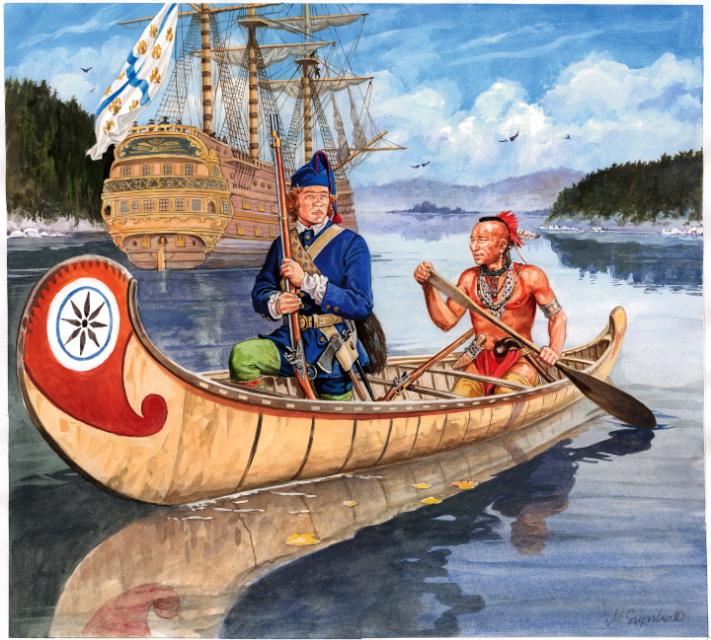
Brytyjczycy atakują Fort Fontenac nad jeziorem Ontario w 1758 r.


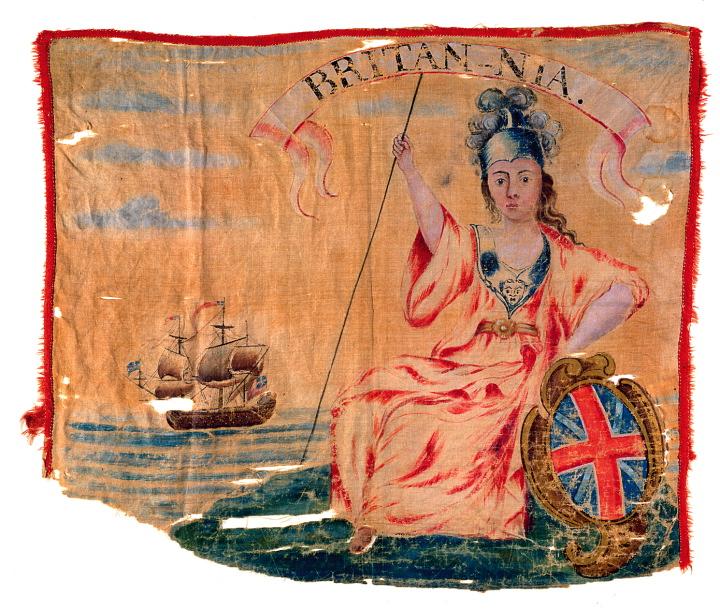
Brytyjska flaga, która zawisła nad zdobytym Louisbourgiem w 1745 r.


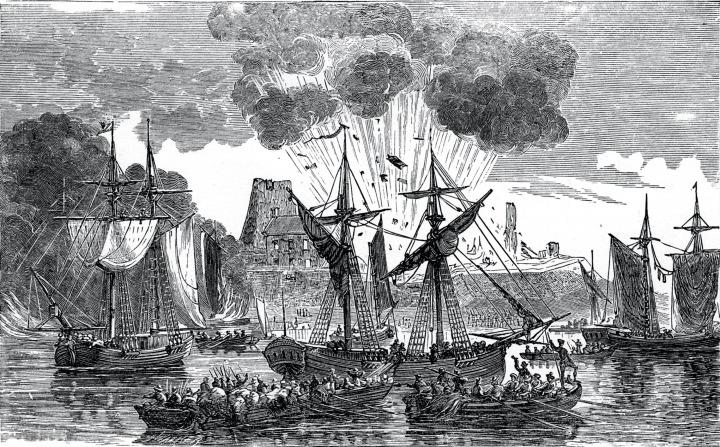
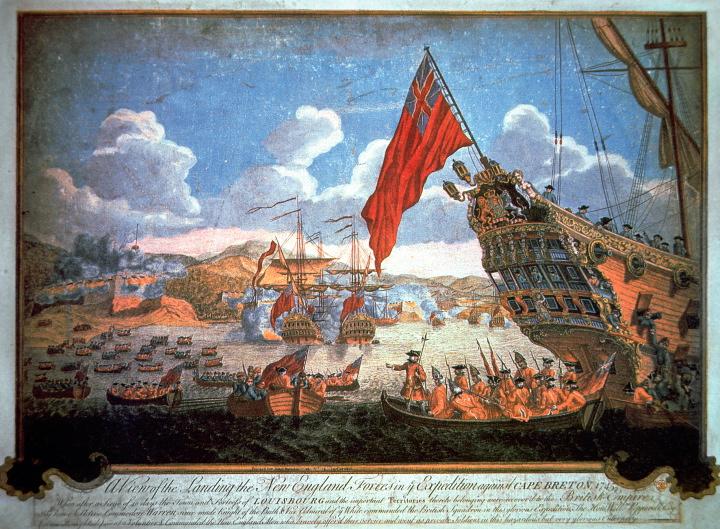
Brytyjczycy oblegają francuską twierdzę Louisbourg, rycina, XVIII w.


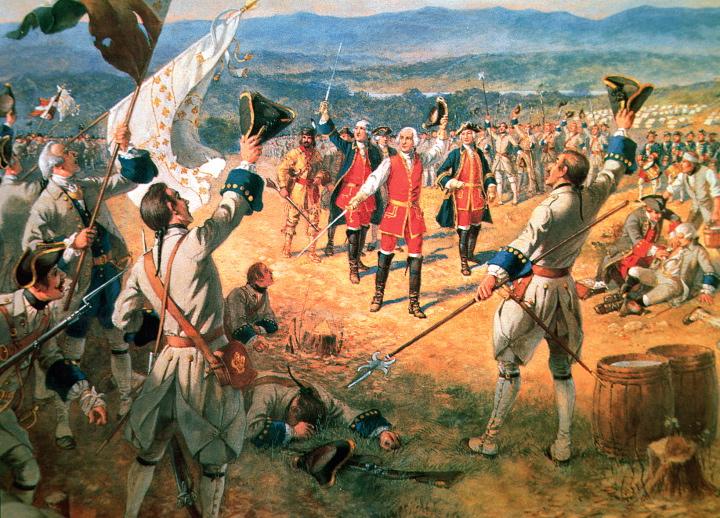
Brytyjczycy świętują zwycięstwo pod Carillon w 1758 r., mal. Henry Alexander Ogden, XX w.


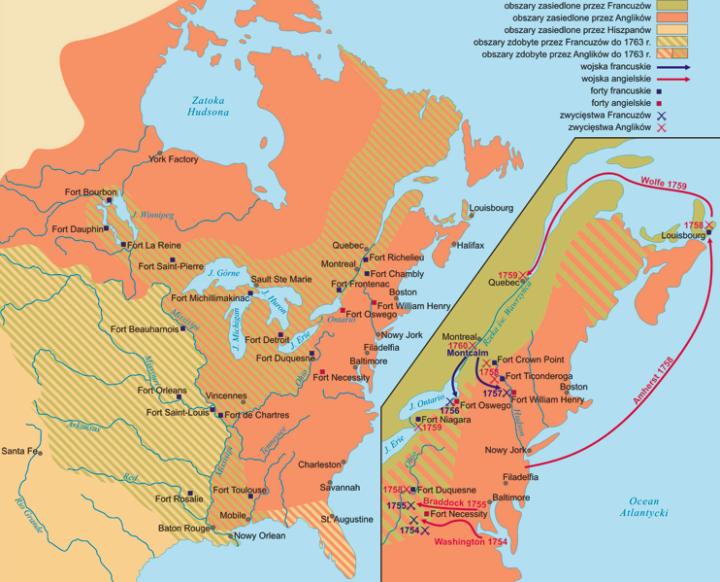
The major engagement in the Canadian theater took place on Cape Breton Island, home of the French fort at Louisbourg. This structure was the strongest fortress in North America, for either side, with defenses stretching for a mile and a half on its landward perimeter. Some of the masonry was in a poor condition owing to the weather conditions of the area, which would prove beneficial to the British artillery. Defensive lines had been dug along the beaches to the south and west of the fortress, and four bastions stood within the fort itself. The governor of Cape Breton Island, Chevalier de Drucour, was in overall command of the French forces at Louisbourg. There were four battalions of regulars, 24 companies of marines, and some militia. Contemporary accounts estimate that there were 3,500 men stationed in and around the fortress. There were 219 cannons on the fortress walls and other defensive positions, as well as 19 mortars. The garrison was prepared for a long siege. A French fleet had arrived over the course of the spring to re-supply the fortress. Five ships of the line and seven frigates patrolled the harbor. 

The British forces were gathered at Halifax, Nova Scotia. The Royal Navy had provided 23 ships of the line, 18 frigates and a fleet of transports, under the command of Admiral Edward Boscawen. Major General Jeffrey Amherst, was to lead the land effort. Once again, as in 1757, the expedition was made up mostly of regulars. There were 14 regular battalions earmarked for the operation, comprising just over 12,000 men with an additional 500 ‘Gorham’s Rangers’ from Halifax and Royal Artillery attached. The fleet sailed on 28 May, and arrived off the Cape Breton coast on 2 June.

There were three possible landing sites. The first was Freshwater Cove, 6 km (four miles) from the fort. Flat Point and White Point were to the east of Freshwater, closer to the fort. Royal Navy and senior army officers sailed up and down the potential landing areas to assess the best approach, then devised their plans. The army was to be divided into three divisions: Brigadier James Wolfe was to lead the main assault against Freshwater Cove, with Brigadiers Charles Lawrence and Edward Whitmore advancing towards Flat and White Points. 

The fleet and army were delayed from landing for more than six days, as fog and surf denied access to the beaches. The French defenses were strongest at Freshwater Cove, where their entrenchment was ready to receive the enemy. Over 1,000 French soldiers had been deployed to throw the British back into the sea and were, as a British officer noted: 
      most advantageously posted behind good entrenchment, the banks very high and almost perpendicular … [W]herever there was the least probability of getting ashore it was well secured with cannon and entrenchment.


Finally, on 8 June, the troops received the order to land. A British observer described ‘nothing seen or heard for one hour but the thundering of Cannon and flashes of lightening’. Wolfe’s division was to see most of the heavy fighting for the day. The surf continued to be a problem – ‘the surge was extremely violent … [Boats] crushed to pieces being carried away by the surf’.

The first waves of British troops approached the beaches. An officer who landed with Wolfe’s division noted: 
      the boats proceeded to the cove, the enemy let them come within half musket shot and gave them a warm reception from their entrenchment, with great guns and small arms.


As Wolfe’s division made a foothold at Freshwater Cove, Lawrence’s division also landed after making a diversion. The French were overwhelmed by the numbers of British troops landing, and began to fear that they were in danger of being cut off from the fort. A British officer recorded the attack: 
      the enemy’s attention being quite engaged at the other cove did not perceive our men climbing rocks till a few of them got to the top who bravely maintained their guard well supported though opposed by numbers they gained the enemy’s flank who feared being cut off from the garrison fled in great disorder.


Each side lost about 100 men during the fight for the beaches.

Flat Point Cove became the landing place for the British artillery and stores, once the area had been secured by the troops moving from Freshwater, and a camp was built to receive troops and materiel coming ashore. General Amherst decided that the best way to deal with the fort was to surround it with batteries and slowly pummel it into submission. A formal European-style siege was planned; unlike Abercromby, Amherst decided against a frontal infantry attack.

On 12 June, Brigadier Wolfe and 2,000 men set out to seize Lighthouse battery, to the north of the fort. The British had received reports that the French had destroyed Lighthouse and Great Battery, two of the major batteries outside Louisbourg’s walls. A French officer stated the reason for abandoning the batteries: ‘the impossibility of maintaining this post obliged us to abandon it; for it was more than we could do to guard the batteries and ramparts of the city’. Wolfe’s forces reached the abandoned lighthouse battery on 20 June. They took possession and immediately opened fire on French shipping in the harbor and other French positions close by. The Island battery, opposite Louisbourg, was silenced on 25 June when the combined artillery fire from the Lighthouse and Royal Navy ships finally destroyed the will of the defenders. On 29 June, the French sank six ships in the entrance to the harbor to deny access to the Royal Navy. Louisbourg was now completely surrounded and closed off to the outside world. The formal siege had begun. The British deployed infantry to various redoubts, set up siege batteries, and began to dig siege trenches towards the fortress.

The outcome of the siege was decided by the ability of the engineers and artillery men on both sides. The French did not sit idly in the fortress under the onslaught of British artillery. One French officer described a typical series of actions: 
      1st of July a detachment of our people sallied out of the wood … [T]here was a very brisk skirmish, but at length our men were forced to retire … we made a sally on the 8th … [W]e surprised them … but what could 900 men do against the vanguard of the enemy who immediately flew to assistance of the sappers.


The siege was dangerous as well for the British soldiers out in the redoubts and trenches. A British officer described what befell an overly curious fellow officer: ’[a] cannon ball which cut his head off as he looked over the breastwork out of curiosity not duty’. 

By late July, the French defenders were beginning to suffer the effects of the siege in earnest. The British siege lines were continuing to close in, and a French 63-gun ship of the line had been destroyed in the harbor. A French officer described the conditions of the French batteries: 
      as our batteries and ramparts had been very much damaged these three days, and as the fire of the enemy’s small arms made it almost impracticable for us to maintain ourselves on those ramparts which we were endeavouring to repair … a breach had been [made] in the Dauphin Bastion and West Gate.


He continued ’in so melancholy a situation, there was nothing left but to capitulate; so that we suspended our fire, and sent to demand a truce, in order to regulate the articles of surrender’. The French garrison surrendered on 26 July.

The British had lost 500 killed and 1,000 wounded during the landings and the siege. The French losses are estimated at 1,000 killed and 2,000 wounded. More than 5,000 soldiers, sailors, and civilians surrendered to the British forces. The siege had taken most of the 1758 campaign season, however, and the advance towards Quebec City would have to wait until the following year. A large garrison was left at Louisbourg to rebuild the works and defend the area against potential French counter attacks. The remainder of the troops were transported to Halifax and New York for winter quarters. 

The campaigns of 1758 had definitively shifted the momentum of the war in Great Britain’s favor. New France was now completely on the defensive. While Abercromby had been stopped at Fort Carillon, it was only a matter of time before the British attacked it again with a different operational plan.


An extract from Campaign 79: Louisbourg 1758 – Wolfe’s First Siege

The final week

21 July At 2 pm the British gunners firing at the French ships had a great stroke of luck. One of their mortar shells squarely hit the poop deck of L’Entreprenant, setting fire to the ship. It was impossible to put out, and the flames spread to Le Célèbre and Le Capricieux. L’Entreprenant blew up and the two other ships were almost totally consumed by 7 pm. 

It was a heavy loss for the French, and Wolfe’s batteries could now fire almost unhindered by the warships. Bombardment of the Dauphin Bastion was accordingly very heavy, and embrasures were badly damaged. Drucour noted that its cavalier was so weakened that it could crumble at any time. 

22 July Two new British batteries south of town consisting of 13 24-pdr. cannons and seven mortar went into action and fired “with great success” on the Queen’s Bastion according to Amherst, who also noted that the French gunners “likewise fired very well on them and threw their shells extremely well.” There followed a curious incident as a French “shot went just into the muzzle of a [British] 24-pdr. and stuck there as if it had been forged to be rammed in.” A British battery of four 24-pdr. guns was started on the left side of the King’s Bastion. All these British bombardments finally set on fire the large building housing the barracks, the chapel and the governor’s quarters which the British called the citadel. There were also fires in the town, so part of the garrison was occupied with fire-fighting. Many French guns in batteries all over the town were knocked out of action. 

23 July On the British left, a second parallel was started, which crept ever closer to the Dauphin Bastion, while a small redoubt was begun on the right. Again, the British gunnery was very effective, starting many fires in the town. Col. Bastide, the chief engineer who had been wounded on the 8th, was now well enough to mount a horse and resume his duties. Some 400 sailors finished the battery to the left of the King’s Bastion. At 10 pm, the wooden barracks originally built by the British and New Englanders in 1745–46 went up in flames “which we had not have better done” reflected Amherst, no doubt already wondering how he would lodge his troops once the town surrendered. 

24 July After inspecting the Dauphin Bastion at dawn, Drucour concluded that it would “soon be out of use,” and that the French batteries were generally “in a sad state.” The British continued to pour a heavy fire into the town and “silenced the guns” in the Queen’s Bastion. The British battery on the right side of the King’s Bastion was completed and opened fire in the afternoon. Admiral Boscawen sent ashore another 400 sailors to carry ammunition and supplies. Another battery containing five guns was started next to the four-gun battery at the left of the King’s Bastion. The admiral also sent ashore another 200 miners who, joined to the 100 already with the army, made a corps of 300; half of them worked on the trenches. The French maintained a heavy fire against them, but the British were now so close that they could fire muskets “into the Embrazures [and] beat them off their guns” (Amherst).

25 July The British batteries again “played with great success” on their various targets. The fortifications were crumbling faster than they could be repaired. Col. Franquet reported a breach in the Dauphin Bastion. William Amherst, who was in the British trenches, reported that a trench had advanced to within 50 meters of the glacis of the Dauphin Bastion. Scaling ladders were sent to the trenches in preparation for an assault.

By now, the town offered a pitiful sight. Many of its buildings were burned and others partly demolished by the intense bombardments of the last few weeks. There was hardly a structure which did not have pieces of shells or cannonballs embedded in its walls. The town’s population was shell-shocked, having been traumatized by the intense bombardments and huddled in casemates every day and night for weeks on end. 

26 July Admiral Boscawen advised Amherst that he had selected captains John Laforey and George Balfour to lead 600 sailors and marines into the harbor in longboats during the night to attack the two remaining French warships. Amherst went to the trenches and, after midnight, “began to despair of the boats coming.” They finally arrived at about 1.30 am under the cover of a fog. The 74-gun Prudent was attacked first by British sailors “armed with cutlass, pistol & hatchet” (William Amherst). According to Drucour, one of its officers had ordered the head gunner to set it on fire should the ship be in danger of being taken, but he was not sure if it was him or the British sailors that had set the ship alight when it ran aground. Le Prudent was certainly doomed to go up in flames and it soon did. British sailors and marines also boarded and captured the 64-gun Bienfaisant and quickly towed it to the other end of the harbor. Boscawen was elated and now planned to force the harbor’s entrance with six of his warships.

By the time the sun rose, the day had already been disastrous for the garrison of Louisbourg. The capture of the ships was the coup de grâce for the defenders’ morale. The bombardments had caused a breach in the Dauphin Bastion and another would soon be apparent in the King’s Bastion. Of the 52 cannons opposed to the British batteries, 40 had been knocked out of action. Drucour bowed to the inevitable and sent a message to Amherst proposing terms for a capitulation.


Further reading

Essential Histories 44: The French-Indian War 1754–1760details the six years of fighting between the French and the British in the forests and plains, lakes and coastal waters of the North American frontier.

Essential Histories 6: The Seven Years’ Warsets the French-Indian War in its global context.

Campaign 79: Louisbourg 1758 – Wolfe’s First Siegeoffers a full account of the Louisbourg campaign.

Campaign 76: Ticonderoga 1758 – Montcalm’s victory against all odds is an account of the bloody reverse the British suffered at Fort Carillon in the same month as their capture of Louisbourg.

Campaign 121: Quebec 1759 – The battle that won Canada tells how Major-General James Wolfe’s men tumbled the Marquis de Montcalm’s French army into bloody ruin.

Men-at-Arms 48: Wolfe’s Army focuses on the British forces throughout their disastrous and triumphant wilderness campaigns which ultimately ensured the birth of the English-speaking United States of America

Men-at-Arms 313: Louis XV’s Army (5) Colonial and Naval Troops details the uniforms, arms and accoutrements of Louis XV’s colonial and naval troops.

Warrior 19: British Redcoat 1740–93 is a portrait of the effective fighting man who was the backbone of Britain’s military success throughout this period. 

Fortress 27: French Fortresses in North America 1535–1763 provides a detailed examination of the three large fortified cities in Canada during the 18th century including the important naval station of Louisbourg.

Essential Histories Specials 7: Liberty or Death – Wars that forged a nationplaces the siege of Louisbourg in the wider context of America’s struggle for peace and independence.

Friday, 22 June 2018

This week in history - Little Big Horn (25th June 1876)


https://ospreypublishing.com/thisweekhistory/

Little Big Horn (25th June)

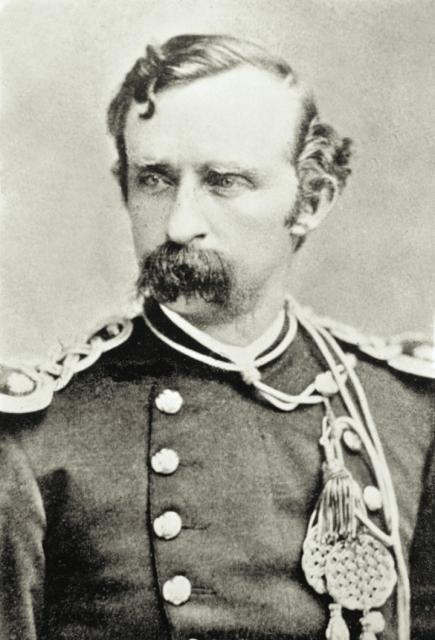
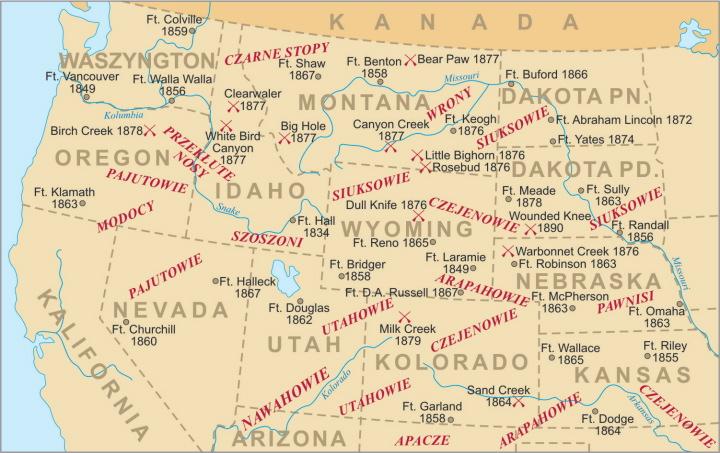
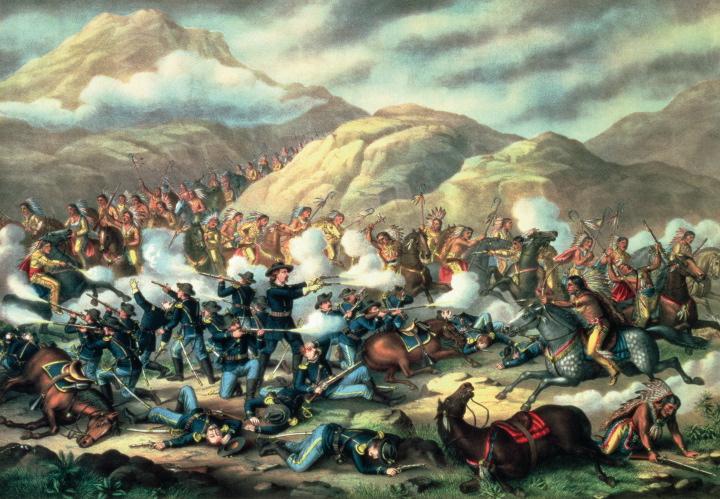
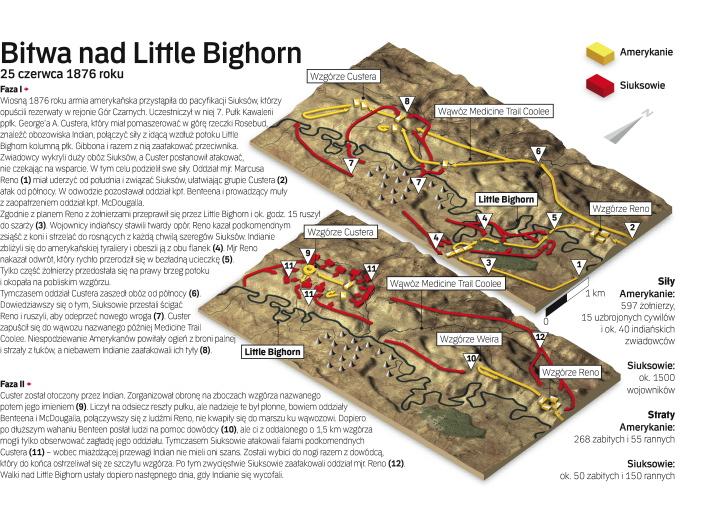
The battle of Little Big Horn, known to many as ‘Custer’s Last Stand’, was in the words of General Terry ‘a sad and terrible blunder.’ The operation’s aim was to force the Indians back on to the reservations and back under Federal control. The Americans planned to do this by encircling the Indians with three columns of troops, led by Generals Crook and Terry, and Colonel Gibbon. The campaign of Little Big Horn, however, went wrong from the beginning. The column led by General Crook was stopped almost immediately, and after a severe mauling fell back to its supply base. Custer, commanding the 7th US Cavalry Regiment under the leadership of Terry, disobeyed his orders and followed a trail left by a large number of ponies towards the Little Big Horn. On the morning of 25 June he encountered a large camp of Indians. Splitting split his command into three groups and failing to asses the strength of the Indian force Custer attacked; with disastrous consequences. By 6pm 210 troopers of the US 7th Cavalry regiments and Custer were dead. On 26 June the Sioux and their allies followed up their success by travelling upstream and attacking Reno, Custer’s second-in-command. Reno’s command, the remainder of the regiment, suffered a further 47 casualties. General Terry and Colonel Gibbon reached the remains of the camp the following day.

Thursday, 21 June 2018

Professor Richard Pipes obituary

https://www.thetimes.co.uk/past-six-days/2018-06-20/register/professor-richard-pipes-obituary-hfvg5wggd


Historian who escaped from the Nazis and spent his life warning of the dangers posed by the authoritarian regime in the Soviet Union
Richard Pipes at Harvard, where he taught for almost 40 years, in 1991
Richard Pipes at Harvard, where he taught for almost 40 years, in 1991AP

When Richard Pipes, a young Polish-Jewish emigrant to the United States, began in 1945 to discover what had happened to much of his extended family during the Holocaust, he made a number of life-changing decisions. After reading letters from a few surviving relatives about brutal deportations and death camps, he avoided pursuing much more knowledge “for the sake of my sanity and positive attitude to life”. At the same time, he concluded that his own immediate family’s miraculous escape from Nazi-occupied Poland in 1940 should make him “delight in every day of life that has been granted to me, for I was saved from certain death”.
His life was not to be wasted, but used “to spread a moral message by showing, using examples from history, how evil ideas lead to evil consequences”. Rather than studying the horrors perpetrated by the Nazis, “I thought it my mission to demonstrate this truth using the example of communism”.
Pipes went on to make his career at Harvard where he became one of the best-known historians of Russia and the Soviet Union. He saw significant continuities between tsarist imperialism and authoritarianism and what followed the 1917 Revolution, and wrote unfashionably and unflinchingly about the personal evils and culpability of communist leaders such as Lenin and Stalin. And he took his academic perspective of Russian behaviour into a brief but highly influential political role as an adviser to President Reagan in the early 1980s, persuading him to adopt a less compromising approach towards Moscow in the belief that the Soviet Union could not survive a sustained economic and military challenge.
Such was Pipes’s prominence that the Kremlin published a book denouncing him as the “Falsifier of History”. While critics accused him of Russophobia, Pipes insisted that “I draw a sharp distinction between Russian governments and the Russian people”.

100 Years Ago - The American Army in Europe


The American Army in Europe
This week's chapter examines America's contribution, military unpreparedness, conscription of the nation, the American divisions, transport of the army, the first troops in France, reorganisation of the French ports, vast work of transport and supply, horses, staffs, artillery, aeroplanes, training, first operations, Cangny, Chateau Thierry, the Allied offensive, the Marne, July 18, 1918, St Mihiel, advance in the Argonne, march on Sedan, the Armistice, America's achievement
Nothing could well have been more different than the behaviour of the Australians and the Americans in action. The Australians were veterans who did their work cunningly and with a peculiar lounging carelessness which was characteristic of them: the Americans, on the other hand, were novices, immensely eager, who fought with a gripping earnestness and an intense desire to get to close quarters with the enemy

Wednesday, 13 June 2018

This Week in History - Battle of Bunker Hill (16 June 1775)

https://ospreypublishing.com/thisweekhistory/


Today visitors enjoy a leisurely walk around a five-acre park on a peaceful hilltop. This is all that remains of the ground that became a raging battlefield and the venue of the first, and arguably the bloodiest, full-scale battle of the Revolutionary War. It was at the top of this hill, on the night of 16 June 1775, that the acrimony between the British and many American colonists boiled over into savage fury, while the nearby wooden buildings of Charlestown, Massachusetts, burned from artillery fire by British warships.

This significant Revolutionary War battle, through time, was acknowledged to have been fought on Bunker Hill, but it actually took place on nearby Breed’s Hill. The campaign gained the British a narrow victory, but at the same time it inspired the colonists to continue to fight. The battle served to prove to the American people that the British Army was not invincible. It became a symbol of national pride and a rally point of resistance against British rule.


Extract from Essential Histories Specials 7: Liberty or Death – Wars that forged a nation

Outbreak – Shot heard round the world

The year 1775 marked the formal outbreak of hostilities between the British and Americans. A small skirmish in Lexington led to a larger confrontation in Concord, and the British withdrawal from Concord sparked a savage fight for survival and the beginning of outright conflict. The battle of Breed’s Hill (Bunker Hill), in June, was the first pitched battle of the war. This was followed by a bold American attempt, in December 1775, to seize and conquer Canada. After these events there could be no turning back. It was war.

Wednesday, 6 June 2018

This Week in History - The battle of Cold Harbor - American Civil War (2-6 June)

https://ospreypublishing.com/thisweekhistory/


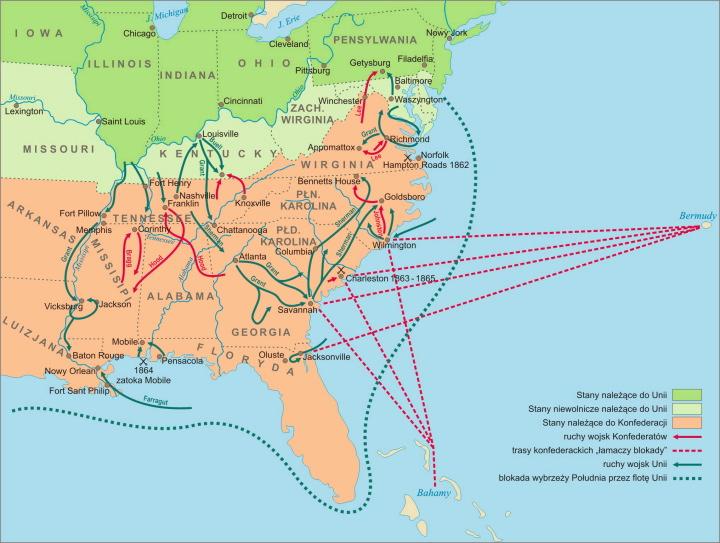
The Federal victory at Memphis deprived the Confederacy of a valuable bastion in their defence of the South and won for the Union naval dominance on the Mississippi, a crucial strategic artery. Cold Harbor was a bloody defeat for the Union. Ulysses Grant launched the Army of the Potomac in a bludgeoning frontal attack on Robert E. Lee's well-entrenched Army of Northern Virginia, and suffered terrible casualties. But Lee could not exploit this defensive victory and trench warfare set in with the Union noose gradually tightening over the next ten months around Richmond, the Confederate capital, which was only eight miles from Cold Harbor.

Further Reading

New Vanguard 49: Mississippi River Gunboats of the American Civil War 1861-65 (extract below) and New Vanguard 56: Union River Ironclad 1861-65 describe the design, development and operation of the innovative and improvised warships that contested the rivers and coastal waters of North America. The two battles are placed fully in context in Essential Histories 10: The American Civil War (2) The war in the West 1861-July 1863 and Essential Histories 5: The American Civil War (3) The war in the East 1863 -1865 (extract below). Essential Histories Specials 1: The American Civil War: This mighty scourge of war , which combines the present four American Civil War Essential Histories in a single volume, is published this month.

Tuesday, 5 June 2018

First World War: Newly arrived and green, the Americans still proved a force to be reckoned with

https://www.thetimes.co.uk/past-six-days/2018-06-02/register/first-world-war-newly-arrived-and-green-the-americans-still-proved-a-force-to-be-reckoned-with-5xxl9qrzf


While arguments raged as to how the US could help win the war, troops bound for France first had to face the feared German U-boats
A painting of the Zeebrugge Raid by John de Lacy, depicting the landing at the Mole by HMS Vindictive


“I am going to get the men to France if they have to swim,” he had promised, and the US army’s chief of staff, General Peyton C March, would balk at nothing in his determination to strengthen the American Expeditionary Force (AEF). Troopships sailed into the Atlantic filled to overflowing, with three men, sleeping in shifts, sharing the same bunk, tiers of which reached the overhead (ceiling). Under March’s leadership, from May until the armistice in November, the War Department dispatched more than a million and a half men to France.

Monday, 14 May 2018

This Week in History - New Market (15-21 May 1864)

https://ospreypublishing.com/thisweekhistory/


In Virginia’s Shenandoah Valley, Sigel, with 10,000 Union troops, had started south in coordination with Grant’s drive to destroy the railroad and canal complex at Lynchburg. Advancing from Cedar Creek, he was attacked by Major General John Breckinridge, with 5,000 men. At a crucial point, a key Union battery was withdrawn from the line to replenish its ammunition, leaving a weakness that Breckinridge was quick to exploit. He ordered his entire force forward, and Sigel’s stubborn defense collapsed. Sigel was driven back and failed to maintain further pressure in the Valley. Notably, among the Confederate soldiers was the young cadet corps of the Virginia Military Institute.

Tuesday, 1 May 2018

Chancellorsville (1 - 7 May)

https://ospreypublishing.com/thisweekhistory/


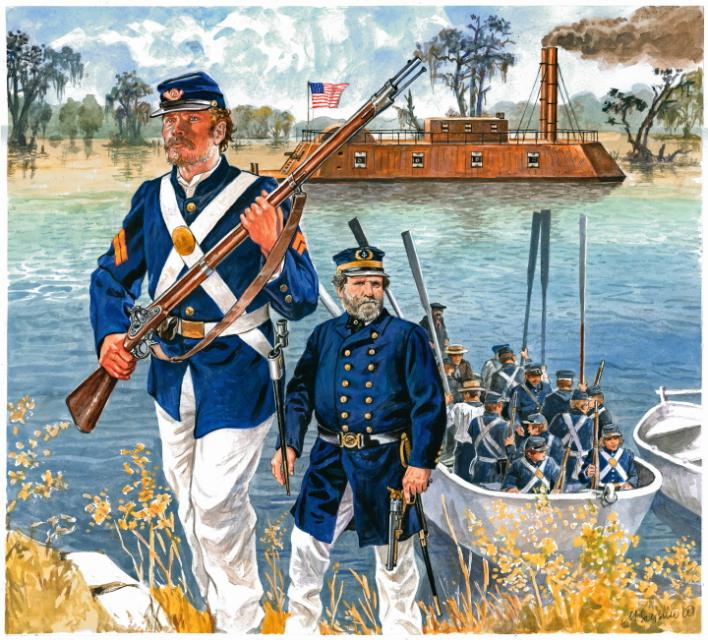
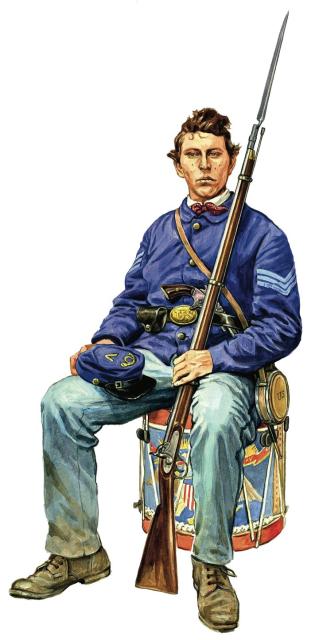
Sierżant Unii z 18. regimentu pieszego z Pensylwanii w mundurze polowym, uzbrojony w karabin kapiszonowy Enfield z bagnetem tulejkowym i rewolwer Smith & Wesson 2 wz. 1860


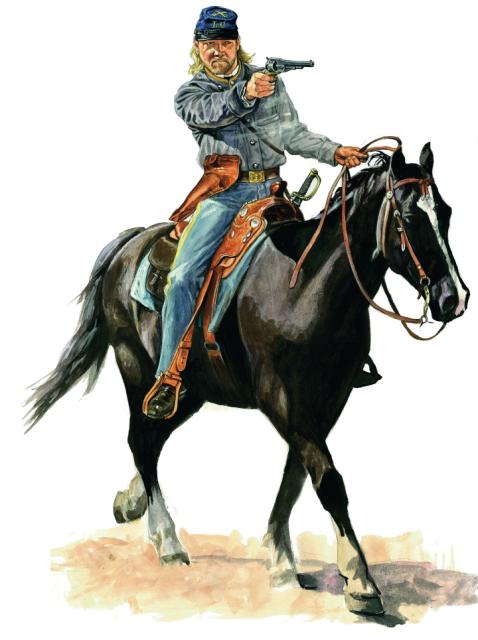
Sierżant kawalerii Unii - uzbrojony w szablę i karabin powtarzalny Spencera


Żołnierz Konfederacji uzbrojony w gwintowany, kapiszonowy karabin Springfield z bagnetem

Konfederacki kawalerzysta z oddziału ochotników z Wirginii (London Cavarly) uzbrojony w rewolwer kapiszonowy Remington wz. 1858 kal. 44 i szablę M1850


The Army of the Potomac under Joseph Hooker was threatening to cut off Lee's smaller Army of Northern Virginia from Richmond, the Confederate capital. Hooker had opened the campaign on 27 April with a strong move intended to bring Lee to battle and 'certain destruction'. Lee, however, forced him onto the defensive on 1 May and then planned a brilliant flanking move with Jackson; the latter executed this and crushed the Federal right on 2 May. That evening, however, Jackson was shot by his own pickets while reconnoitering to find a way to exploit the day's success further. He died on 10 May. The fighting continued on 3 May with Jeb Stuart ably taking over the command of II Corps from Jackson and concluded with Hooker's decision to retreat at the end of the following day.

Further Reading

Campaign 55: Chancellorsville 1863 (extract below) is a detailed account of the week's events and the build-up to the battle. Essential Histories Special 1: The American Civil War: This mighty scourge of war (extract below) places it in the full strategic context of the first half of the war in its eastern theater, also looking at it from political, social and individual perspectives. Warrior 60: Sharpshooters of the American Civil War 1861-65 reviews the training, fighting experience and weaponry of the marksman units developed by both sides from the start of the war. Elite 73: American Civil War Commanders (1) Union Leaders in the East and Elite 88: American Civil War Commanders (2) Confederate Leaders in the East(extract below) include portraits of the leading Union and Confederate generals who fought at Chancellorsville.

Friday, 20 April 2018

This Week in History - The American revolution (17-23 April)

https://ospreypublishing.com/thisweekhistory/


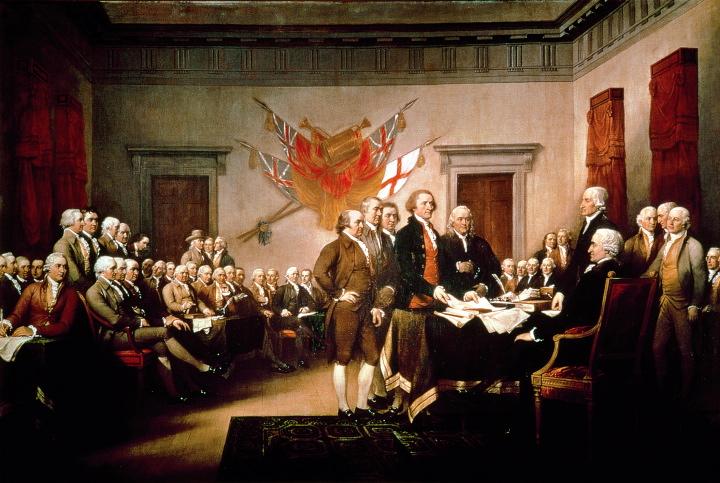
Podpisanie amerykańskiej Deklaracji niepodległości 4 lipca 1776 r.

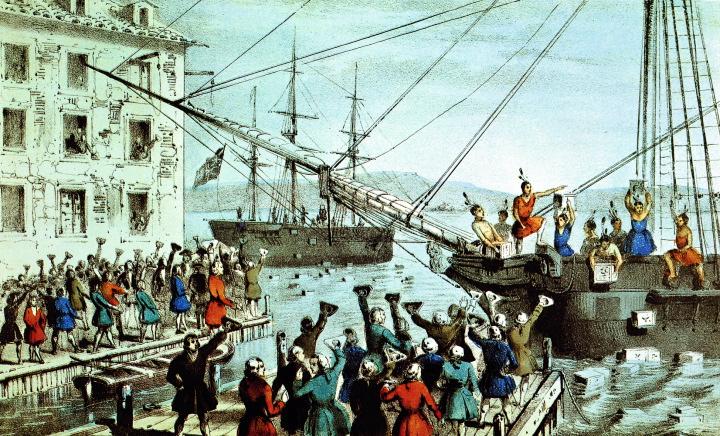
Tzw. herbatka bostońska – bostończycy wyrzucają do wody transport herbaty w proteście przeciwko wysokim cłom, 16 grudnia 1773 r., litografia z 1846 r.

Monday, 5 March 2018

This Week in History - Battle of Hampton Roads (9 March)

https://ospreypublishing.com/thisweekhistory/


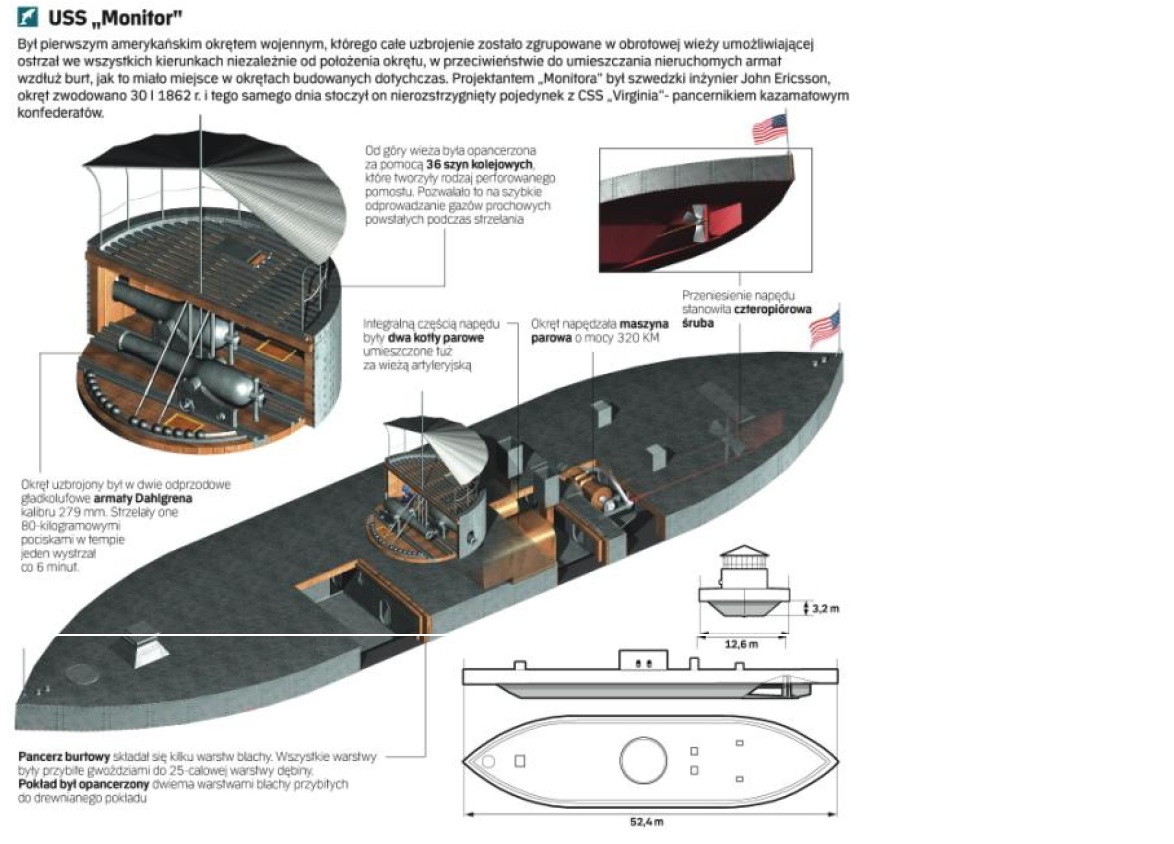
USS „Monitor”
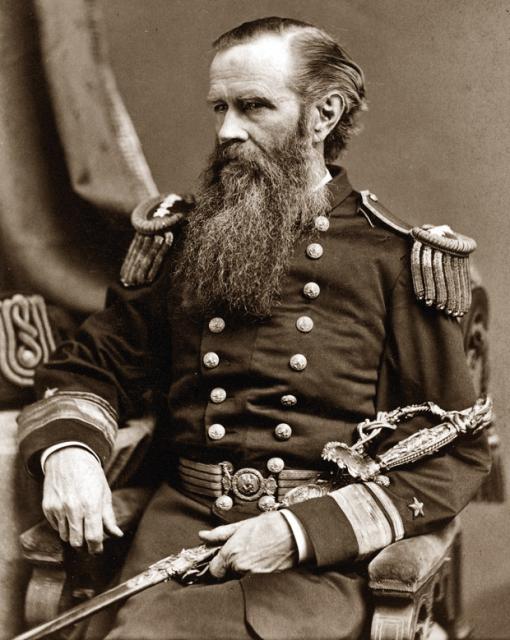
Kpt. John Lorimer Worden, dowódca USS „Monitor”
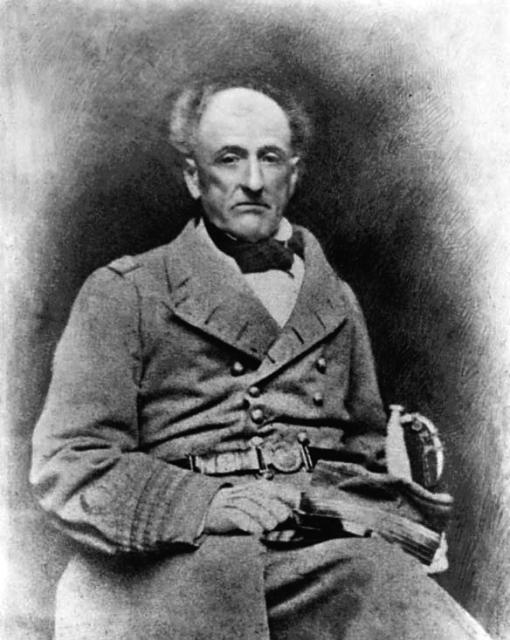
Admirał marynarki konfederacji Franklin Buchanan, były dowódca CSS „Virginia”
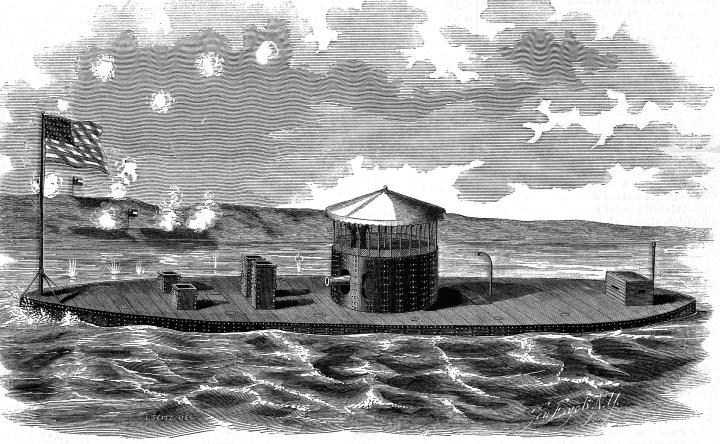
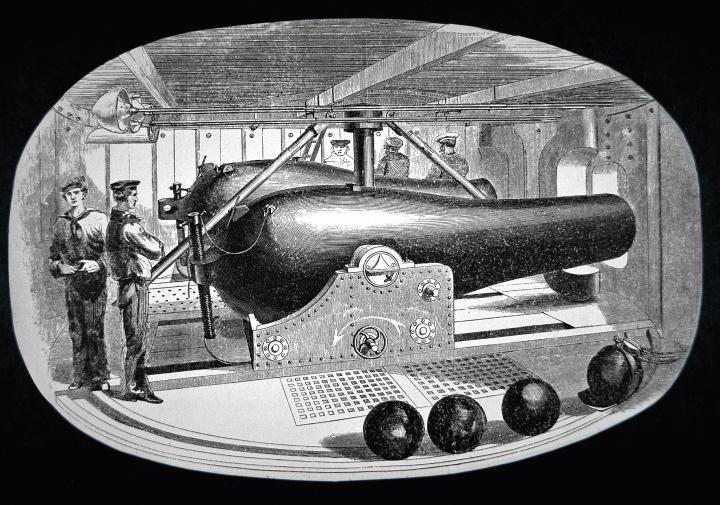
Dwa gładkolufowe działa kal. 280 mm w obrotowej wieży USS „Monitor”, rycina z epoki


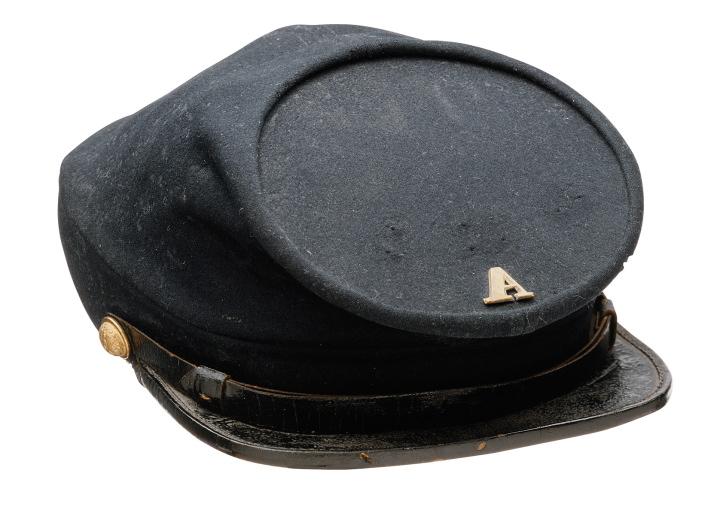
Kepi artylerzysty US „Navy” z czasów wojny secesyjnej
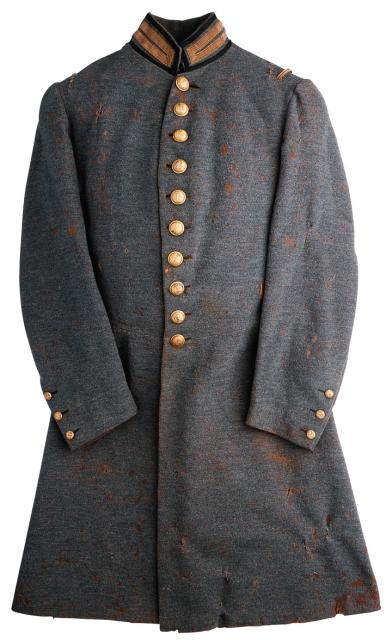
Kurtka mundurowa podporucznika marynarki Unii


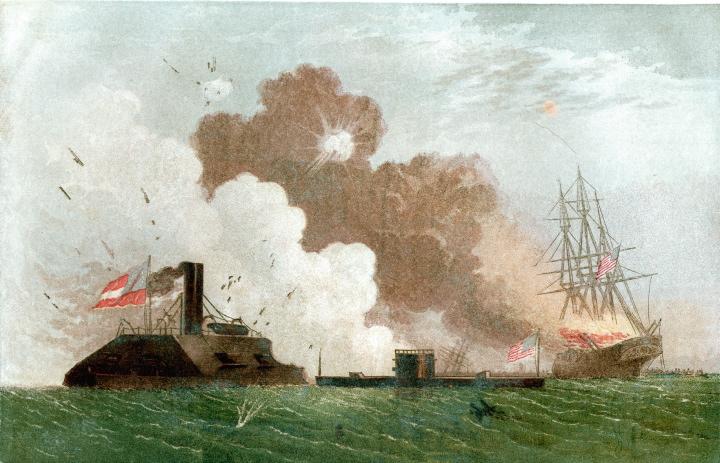
The Ironclads USS Monitor and the CSS Virginia met on 9 March. As battles go, Hampton Roads was inconclusive: it was a four hour duel that left neither side victorious. By the battle’s end, the Monitor had been hit 23 times, the Virginia 20 times. Neither ship was badly damaged, and only one man wounded.

Despite this seeming stalemate, the importance of this battle both in the context of the American Civil War, and in the history of naval warfare cannot be denied. The previous day the Virginia destroyed two powerful warships and killed or wounded hundreds of Union soldiers, but the next day the Monitor countered the threat caused by the Virginia, crushing Confederate hopes of breaking the Union blockade. In the history of naval warfare, the first day of the battle demonstrated the vulnerability of wooden ships, but the second day ushered in the alternative, the ironclad.

Hampton Roads was also probably one of the strangest spectacles ever seen. Not only because the onlookers watched for four hours as the two vessels pounded at each other with apparently no effect, but also because both ships looked extraordinary. The Virginia was said to resemble an upturned bathtub, and the Monitor even more oddly, has been described as an immense shingle floating on the water, with a gigantic cheesebox rising from its centre; no sails, no wheels, no smokestacks, no guns.

Monday, 26 February 2018

Doughboys join ‘the picnic’ on the Western Front

https://www.thetimes.co.uk/past-six-days/2018-02-24/register/doughboys-join-the-picnic-on-the-western-front-9l2g23j25


As the war on the Eastern Front came to an end with the signing of the Brest-Litovsk treaty, focus switched to the Western Front, with the American Expeditionary Force making an impression as the Allies’ morale ebbed

An artist’s impression of the sinking of the Tuscania
An artist’s impression of the sinking of the TuscaniaALAMY
The Pope had made his appeal for peace in August 1917, declaring his neutrality to be “appropriate to him who is the common father and who loves all his children with equal affection”. It brought him little filial warmth by reply.
In February 1918 it would be the turn of the Kaiser to speak of sacred matters. “War is a disciplinary action by God to educate mankind,” he told the citizens of Bad Homburg gathered in the courtyard of the castle, his summer residence for 30 years and now the place of his February kur (spa treatment) at the spa town.
He had good news for them: the new People’s Republic of Ukraine, detached from the Russian empire in the wake of the Bolshevik takeover, had signed a peace treaty the day before. It signalled ultimate victory, he said, and in the meantime would bring them more bread, because Ukraine always had a surplus of grain. (In many parts of Germany the flour was being supplemented with potato peelings and sawdust.) It was, indeed, the Brotfrieden, the bread peace. However, he warned them that Ukraine was “shaken by a civil war . . . [and] could be overrun by the Bolsheviks and large parts of the grain could be carried away by the Red Army”.

Friday, 16 February 2018

100 Years Ago - Kipling and Trotsky


Trotsky’s excuses for surrender

M Trotsky is endeavouring to carry off with a high hand the humiliation of Bolshevism at Brest-Litovsk. In a characteristic message addressed to the world in general he explains that the tacit acquiescence of the Entente bourgeoisie enabled the German capitalists to impose upon the Bolshevists terms which they could not accept. At the same time the Bolshevists could not think of continuing to make war against their German and Austrian “comrades”. Orders have accordingly been issued for the complete demobilization of the Russian Army. The disciplined mind of the German bureaucracy, confronted with a vacuum, is beginning to exhibit symptoms of irritation, and M Trotsky is threatened with direct consequences if he persists in his refusal to “sign”.
The following Russian Wireless message, addressed “to all whom it may concern”, was received in London yesterday: Comrades, The peace negotiations are at an end. German capitalists, bankers, and landlords, supported by the silent cooperation of the English and French bourgeoisie, submitted to our comrades, the members of the peace delegation at Brest-Litovsk, conditions such as could not be subscribed to by the Russian Revolution. The Governments of Germany and Austria desire to possess countries and peoples vanquished by the force of arms. To this the authority of the Russian peoples of workmen and peasants could not give its acquiescence. We could not sign a peace which would bring with it sadness, oppression, and suffering to millions of workmen and peasants. But we also will not continue a war which was begun by Tsars and capitalists in alliance with Tsars and capitalists. We will not, and we must not, continue to be at war with Germans and Austrians — workmen and peasants like ourselves. We are not signing the peace of landlords and capitalists. Let German and Austrian soldiers know who are placing them in the field of battle, and let them know for what they are struggling. Let them know also that we refuse to fight against them. Russia, for her part, declares the present war with Germany, Austria-Hungary, Turkey, and Bulgaria at an end.
(Signed) L. Trotsky, President of the Russian Peace Delegation, and Commissioner for Foreign Affairs.